
Your Gateway to Unforgettable Adventures
Outdoor Trekking
Wander Through Sri Lanka’s Most Stunning Locations
Welcome to Ceylo Tours, where we turn your Sri Lankan travel dreams into reality. From breathtaking landscapes to rich cultural heritage, we offer curated experiences that let you explore the best of Sri Lanka. Whether you’re looking for thrilling wildlife safaris, stunning beaches, or ancient wonders, we’ve got you covered.

Baththalangunduwa Beach Camping
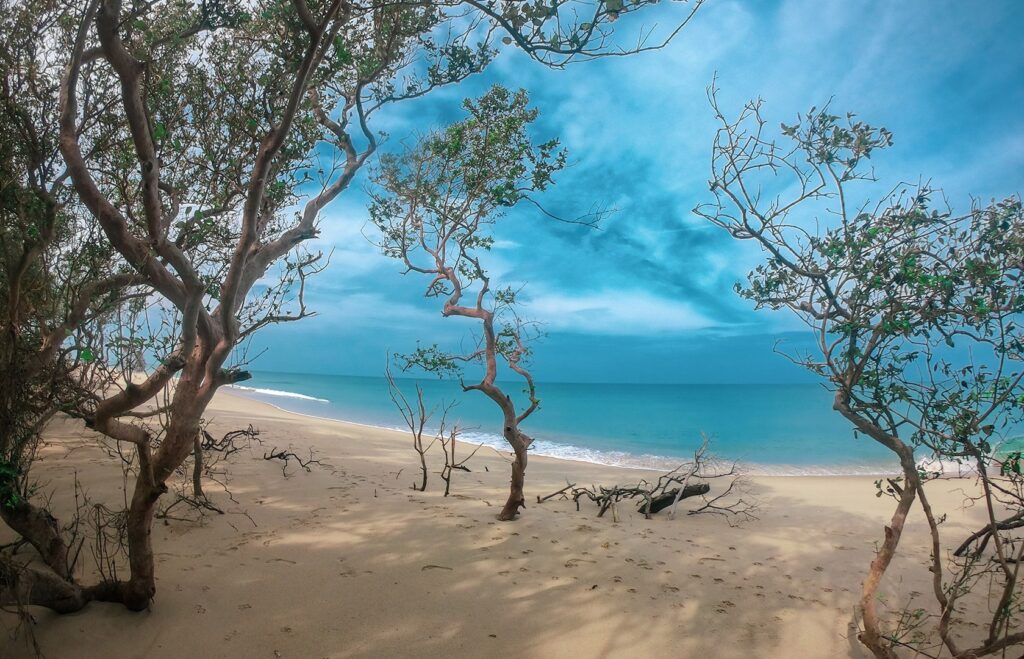
Baththalangunduwa is one of Sri Lanka’s most untouched island destinations, offering a rare escape into raw coastal beauty. Located off the Kalpitiya peninsula, this tiny island is surrounded by crystal-clear waters, coral reefs, and endless sandy shores that feel completely disconnected from the modern world. Beach camping in Baththalangunduwa is an experience defined by simplicity, serenity, and nature at its purest.
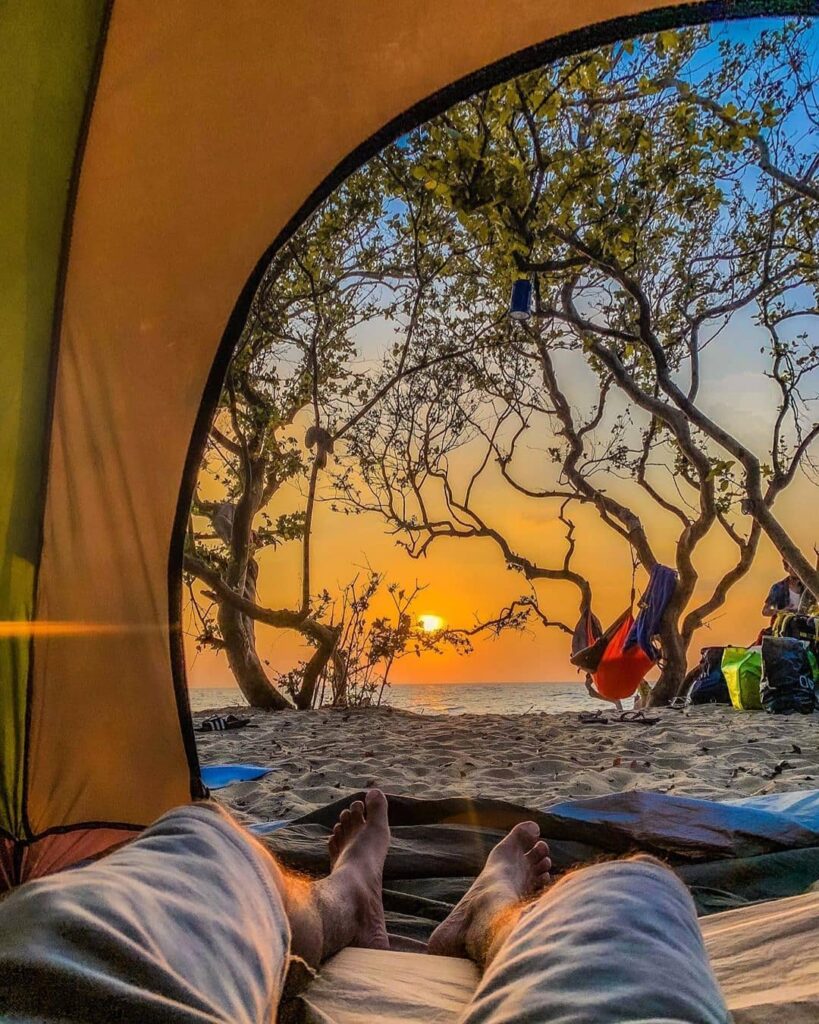
The island is home to a small fishing community, and life here moves at a calm, unhurried pace. With no hotels, roads, or commercial facilities, camping is the best way to experience Baththalangunduwa. Visitors set up tents along the beach, falling asleep to the sound of gentle waves and waking up to golden sunrises over the Indian Ocean. At night, the sky opens up into a breathtaking canvas of stars, free from light pollution.
Baththalangunduwa is also rich in marine life. Snorkeling around the island reveals vibrant coral formations, tropical fish, and sometimes even sea turtles. The shallow waters make it ideal for relaxed swimming and exploring the coastline. Fishing trips with local fishermen provide insight into traditional island life and fresh seafood experiences unlike any other.
Camping here is not about luxury—it’s about authenticity. Meals are often cooked over open fires, using freshly caught fish and simple local ingredients. The isolation encourages meaningful conversations, reflection, and a deeper connection with nature.
For travelers seeking peace, adventure, and an off-grid island experience, Baththalangunduwa Beach Camping is a hidden treasure. It’s a place where time slows down, worries fade away, and nature becomes the main attraction.
Horton Plains
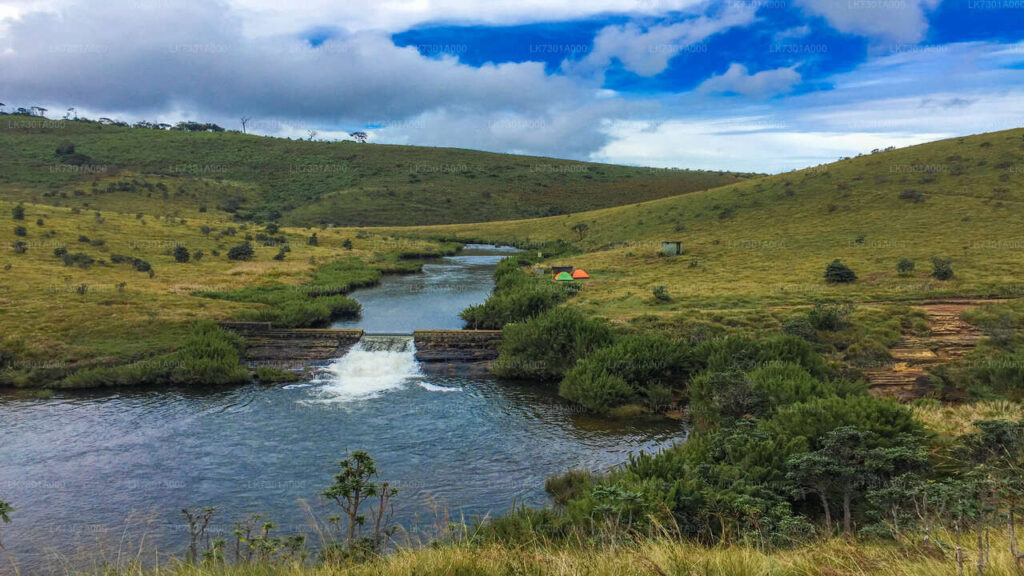
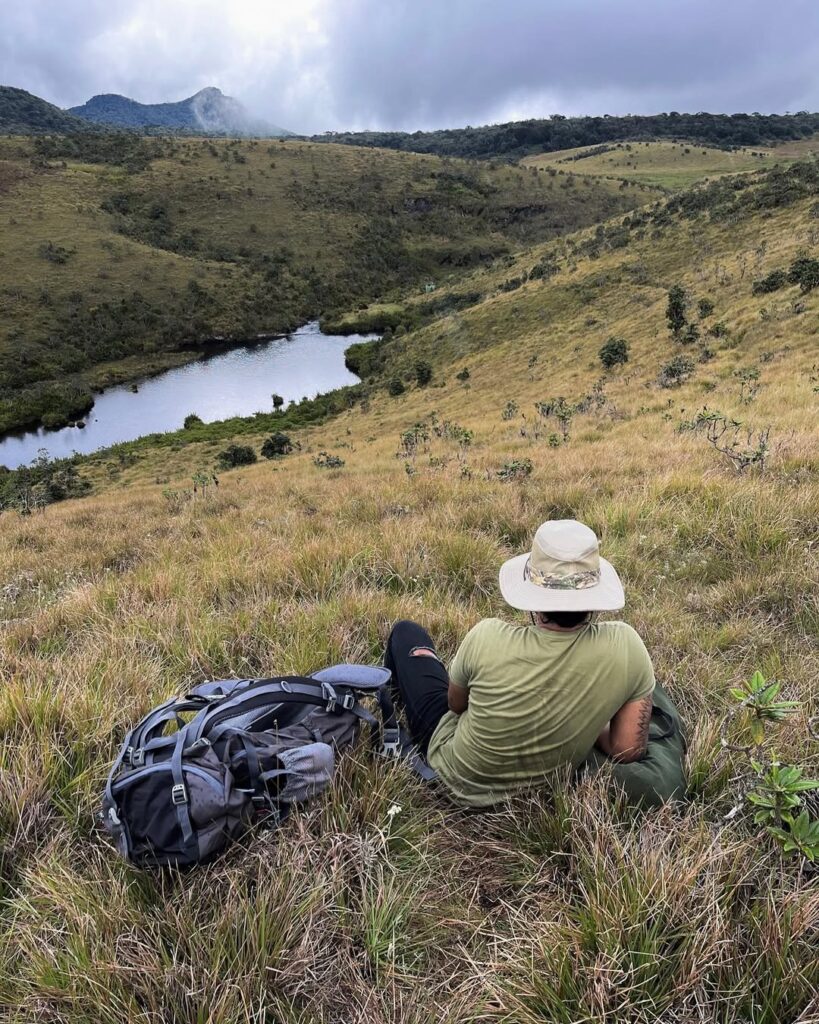
Horton Plains National Park is one of Sri Lanka’s most iconic highland destinations, offering a unique blend of misty landscapes, rolling grasslands, cloud forests, and dramatic viewpoints. Situated at an elevation of over 2,000 meters, this UNESCO World Heritage Site is a haven for nature lovers, hikers, and wildlife enthusiasts.
The park is best known for World’s End, a sheer cliff with a drop of nearly 880 meters, providing breathtaking views across the southern plains on clear mornings. Nearby, Baker’s Falls adds to the park’s charm, cascading gracefully through lush greenery. Early morning visits are highly recommended, as the clouds tend to roll in by midday, creating a mysterious and magical atmosphere.
Horton Plains is home to a variety of endemic flora and fauna, including sambar deer, purple-faced langurs, and numerous bird species found only in Sri Lanka. The cool climate and unique ecosystem make it distinctly different from the country’s lowland national parks.
The main hiking trail is well-marked and moderately challenging, making it accessible for most travelers with a reasonable fitness level. Along the way, visitors walk through open grasslands, moss-covered forests, and wetlands that support rare plant species.
Camping and trekking around Horton Plains offer an immersive experience in Sri Lanka’s central highlands. The silence, broken only by wind and bird calls, creates a peaceful environment ideal for reconnecting with nature.
Horton Plains is not just a destination—it’s an experience of elevation, tranquility, and untouched wilderness that showcases Sri Lanka’s incredible ecological diversity.
Haputhale Upper Diyaluma Camping
Upper Diyaluma Camping near Haputale offers a perfect blend of adventure, scenic beauty, and tranquility. Located close to Sri Lanka’s second-highest waterfall, this destination is ideal for travelers seeking both thrilling exploration and peaceful nature immersion.
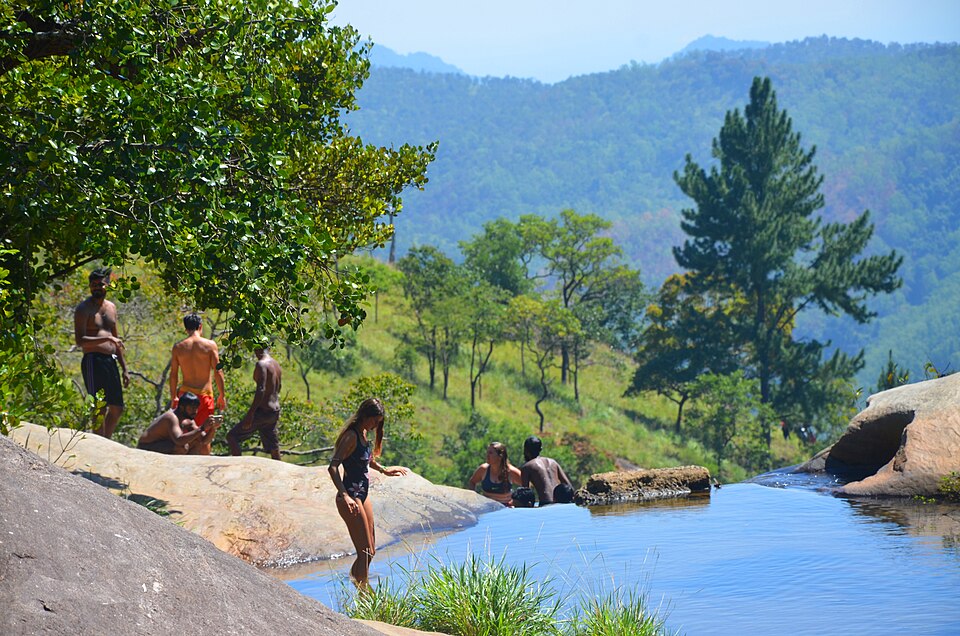
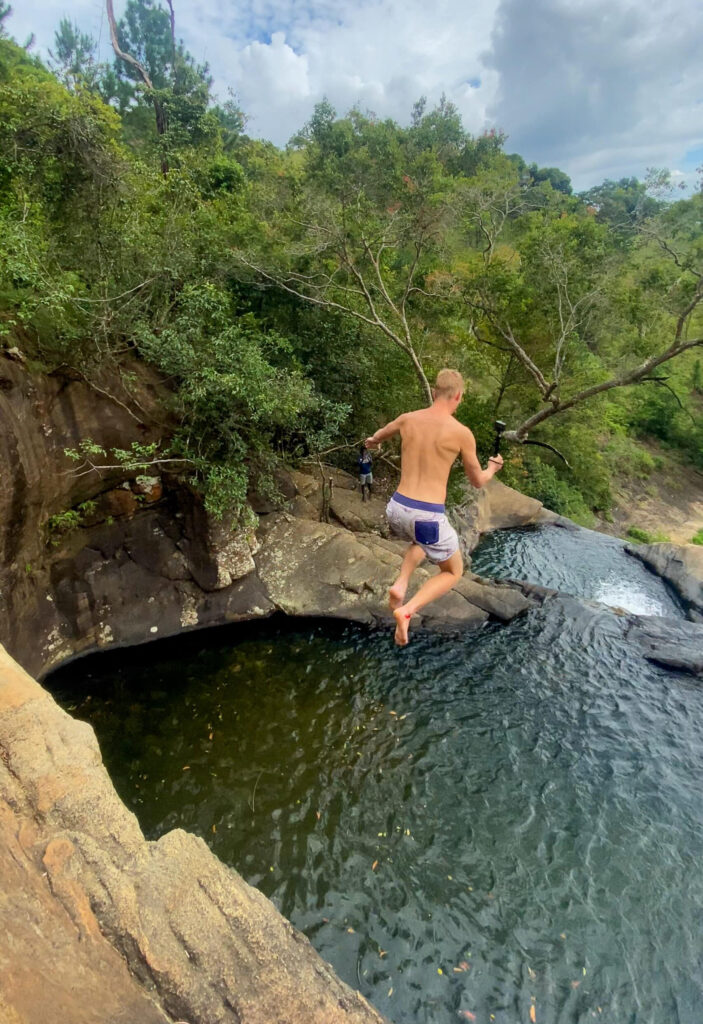
Upper Diyaluma Falls is famous for its natural infinity pools carved into the rock, overlooking sweeping views of the surrounding valleys. Camping in this area allows visitors to experience the falls early in the morning or late in the evening, avoiding crowds and enjoying the serene atmosphere.
The journey to Upper Diyaluma itself is an adventure, involving scenic hikes through tea plantations, forests, and rugged terrain. Once at the campsite, travelers are rewarded with panoramic views, fresh mountain air, and the soothing sounds of cascading water.
Camping here provides an opportunity to witness spectacular sunrises and sunsets, with clouds drifting below eye level. Nights are cool and calm, perfect for campfires and stargazing. The remote setting makes it an excellent spot for photography, meditation, and disconnecting from busy routines.
Safety and responsible camping are essential, as the cliffs and pools can be dangerous if not approached carefully. Guided camping experiences are recommended for first-time visitors.
Upper Diyaluma Camping is ideal for adventure seekers, couples, and nature lovers looking for a unique highland escape filled with unforgettable views and natural wonders.
Knuckles forest camping
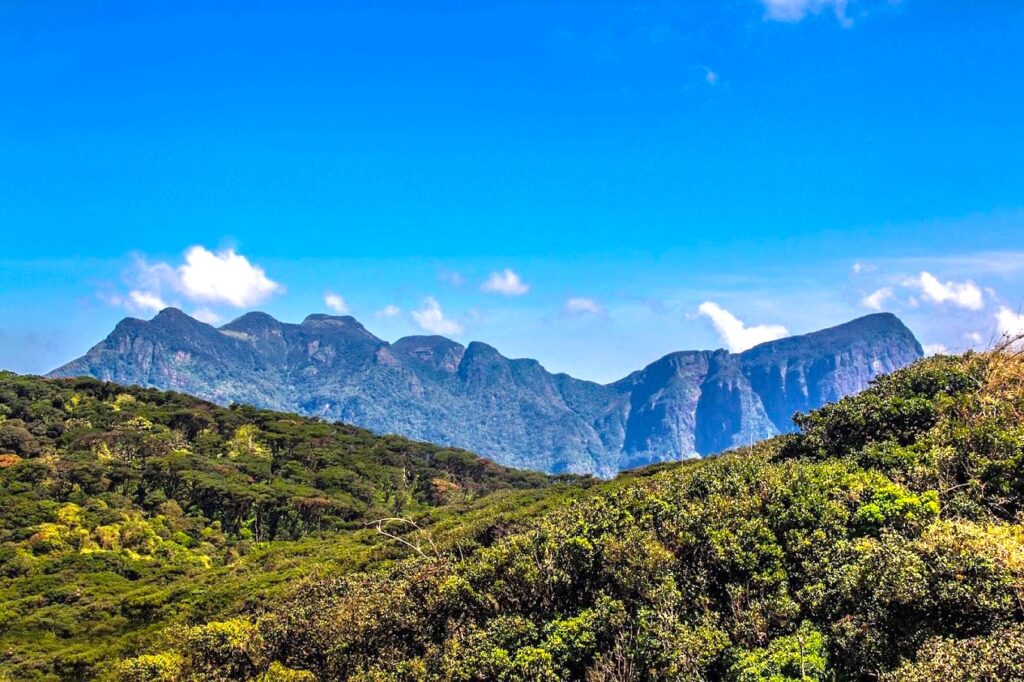
Knuckles Forest Camping offers one of the most untouched and adventurous outdoor experiences in Sri Lanka. Located in the central highlands and named after the mountain range’s distinctive knuckle-shaped peaks, the Knuckles Conservation Forest is a UNESCO World Heritage Site known for its rich biodiversity, misty landscapes, and remote wilderness. Camping here is not just a stay in nature—it is a deep immersion into one of the island’s last true rainforests.
The forest is home to an extraordinary variety of flora and fauna, including endemic birds, rare amphibians, orchids, and ancient trees that thrive in the cool, cloud-covered climate. As you hike through dense jungle trails, open grasslands, and river crossings, you’ll experience constantly changing scenery—each turn revealing waterfalls, panoramic viewpoints, and silent valleys wrapped in mist. Camping sites are usually set near streams or clearings, allowing travelers to fall asleep to the sound of flowing water and nocturnal forest life.
Knuckles Forest Camping is ideal for adventure seekers and nature lovers. Activities include guided jungle trekking, birdwatching, river bathing, and stargazing under unpolluted skies. Early mornings often reward campers with breathtaking sunrises above the clouds, while evenings are perfect for campfires and storytelling. Due to the protected nature of the area, camping is regulated and usually requires local guides, which adds an educational element as guides share knowledge about the ecosystem, local traditions, and conservation efforts.
What makes this experience truly special is the sense of isolation and peace. With limited mobile coverage and minimal modern distractions, Knuckles allows visitors to disconnect from daily life and reconnect with nature. The surrounding villages also offer insight into rural Sri Lankan lifestyles, where traditional farming methods and simple living still prevail.
Knuckles Forest Camping is best suited for those who appreciate raw nature and are comfortable with basic facilities. In return, it offers unforgettable memories, unmatched scenery, and a profound respect for Sri Lanka’s natural heritage. It is not just a destination—it is a journey into the heart of the island’s wilderness.
Visiting Nuwaragala Veddas
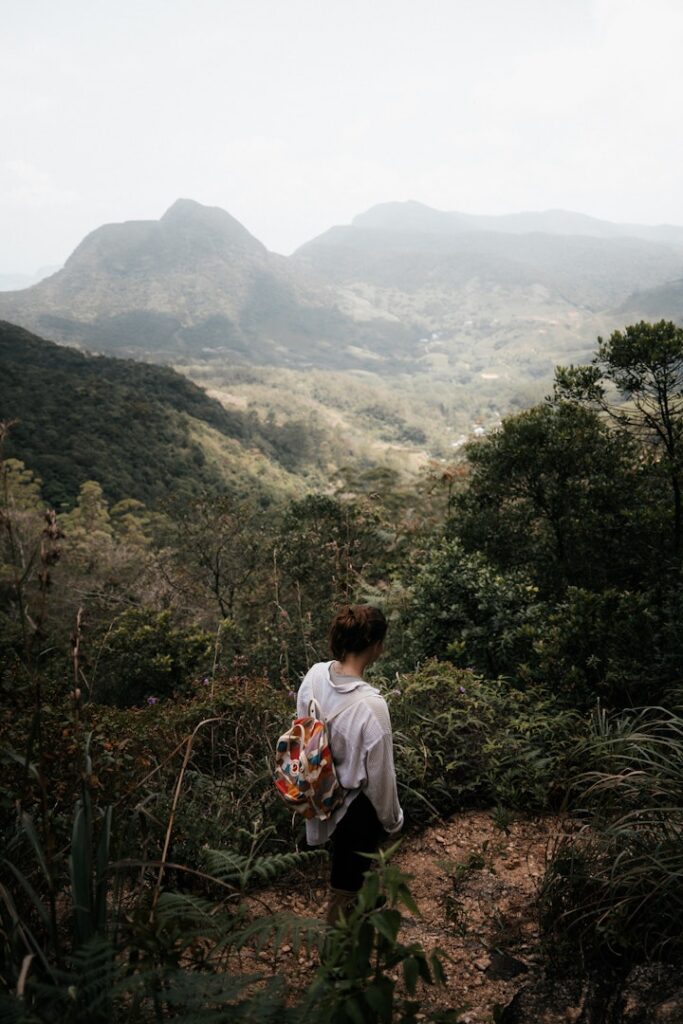
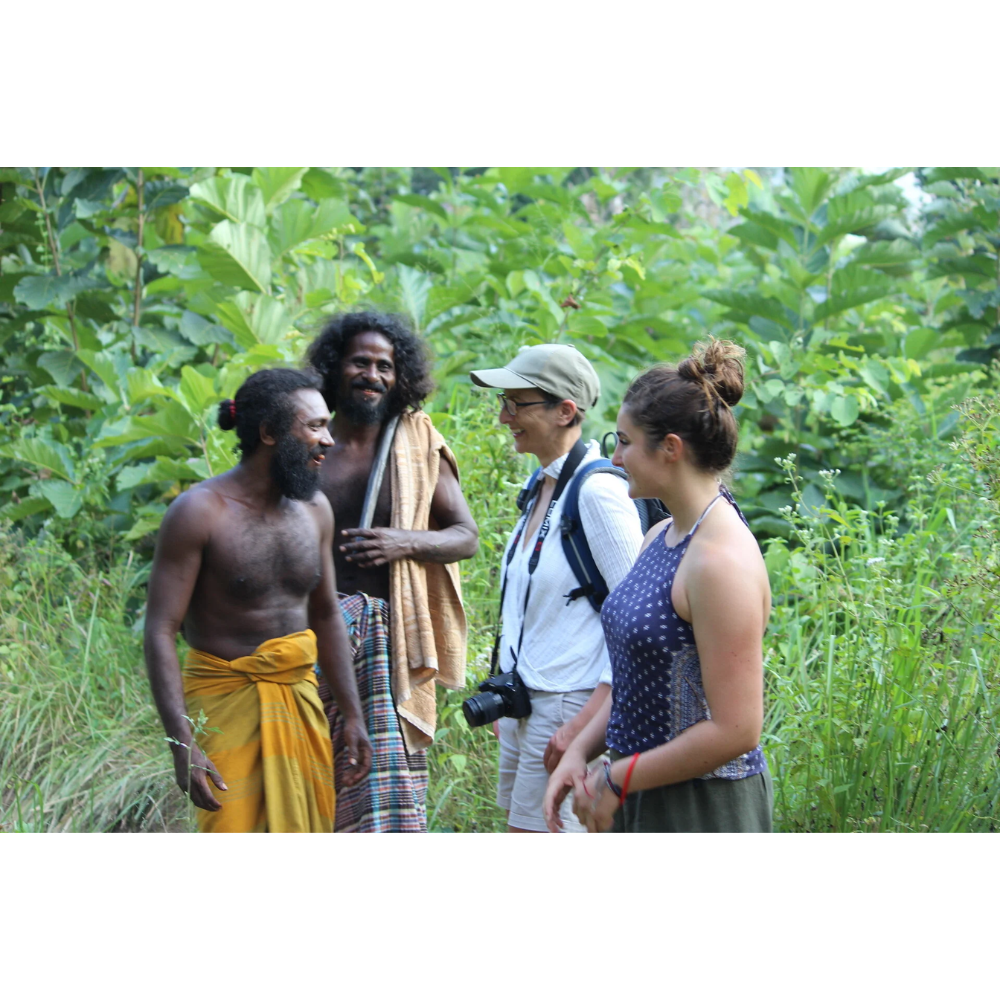
Visiting the Nuwaragala Veddas is a rare and meaningful cultural experience that provides insight into Sri Lanka’s indigenous heritage. The Veddas are considered the island’s original inhabitants, and the Nuwaragala area is one of the few places where their traditions, beliefs, and way of life are still preserved. A visit here is not about sightseeing alone—it is about understanding a living culture deeply connected to nature.
The Nuwaragala Veddas traditionally lived as forest dwellers, relying on hunting, gathering, and herbal knowledge passed down through generations. During a guided visit, travelers can learn about their ancestral practices, including the use of medicinal plants, traditional tools, hunting methods, and spiritual rituals. The community often welcomes visitors with stories that reflect their deep respect for forests, animals, and the land.
One of the most powerful aspects of this experience is the human connection. Unlike museums or exhibitions, visiting the Veddas allows guests to interact directly with community members, hear their personal histories, and witness daily activities. Visitors may observe traditional attire, handmade weapons, and cultural performances that highlight their identity and resilience in the modern world.
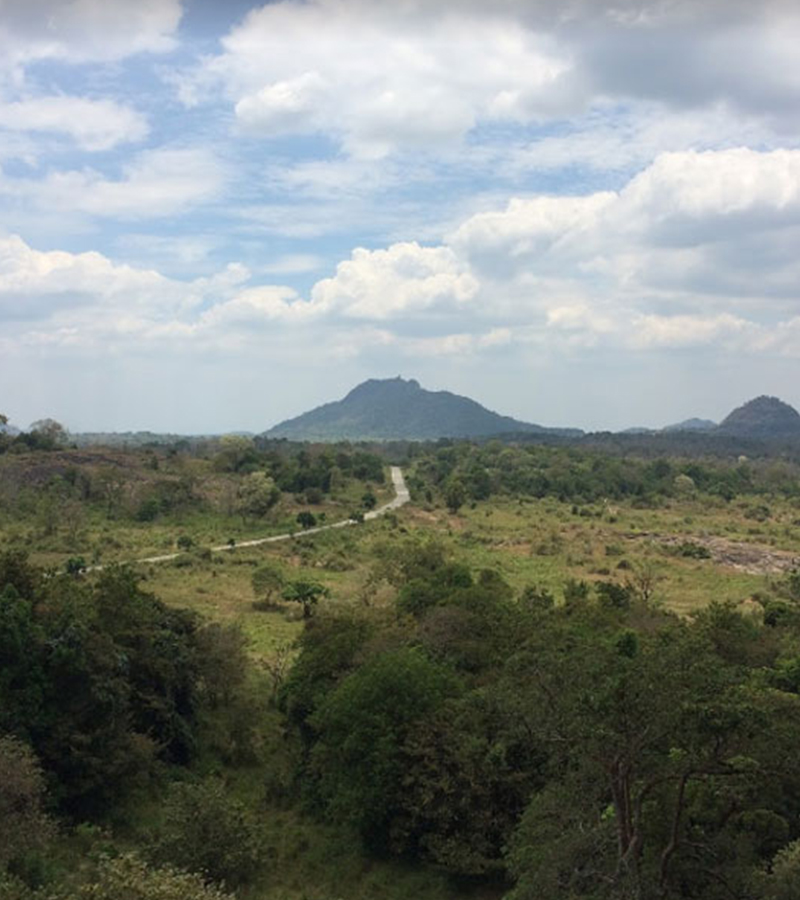
The surrounding landscape of Nuwaragala is equally captivating. Set amid forests and rocky terrain, the area reflects the natural environment that shaped Vedda life for centuries. Walking through these lands with a local guide helps visitors appreciate how closely the Veddas’ survival has been tied to nature’s rhythms.
Respect and sensitivity are essential when visiting the Nuwaragala Veddas. These experiences are best arranged through responsible tour operators who work directly with the community, ensuring that tourism supports cultural preservation rather than exploitation. Photography and interactions should always be done with permission and understanding.
Pekoe Trail
The Pekoe Trail is one of Sri Lanka’s most exciting long-distance hiking routes, offering a journey through the heart of the island’s tea country. Stretching across the central highlands, the trail connects historic tea estates, mist-covered mountains, rural villages, and scenic viewpoints, making it a perfect blend of nature, culture, and history.
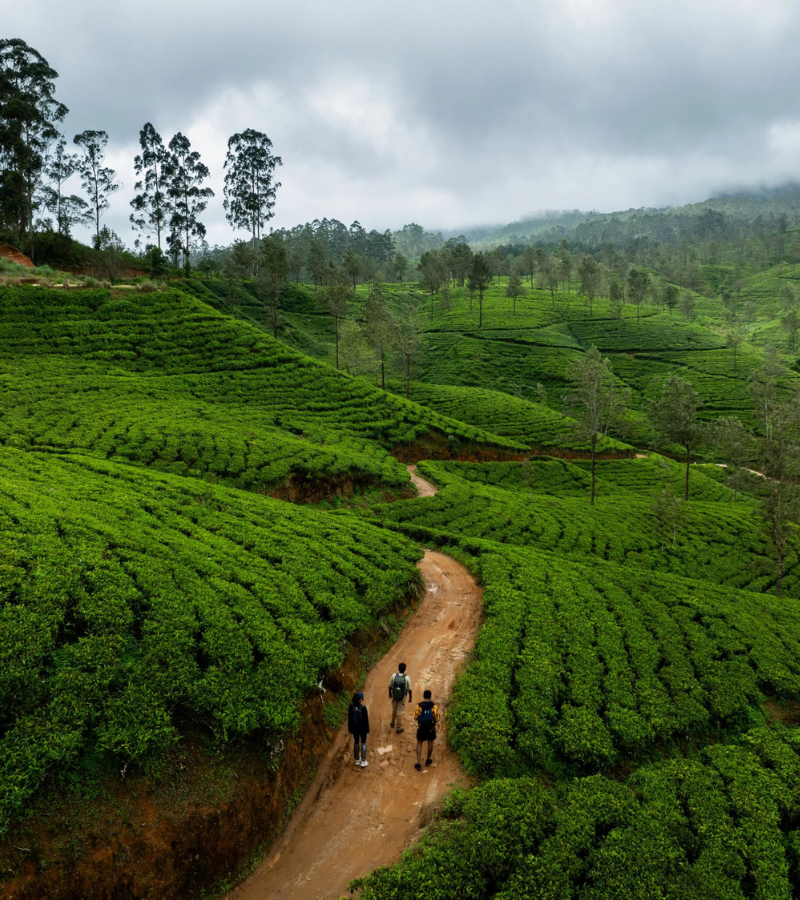
Named after “pekoe,” a grade of tea leaf, the trail takes travelers through landscapes shaped by Sri Lanka’s tea industry for over a century. Along the way, hikers walk past endless rows of tea bushes, colonial-era bungalows, old railway lines, and working tea factories. This provides a unique opportunity to understand how tea cultivation influenced the country’s economy, architecture, and communities.
The Pekoe Trail is divided into manageable stages, making it suitable for both experienced hikers and casual walkers. Each section offers something different—from panoramic mountain views and cool-climate forests to quiet villages where life moves at a slower pace. Hikers often encounter tea pluckers at work, friendly locals, and small roadside shops offering warm cups of fresh Ceylon tea.
Beyond its scenic beauty, the trail is rich in biodiversity. Birds, butterflies, and native plants thrive in the surrounding ecosystems, while misty mornings and golden sunsets create magical atmospheres for photography. The cooler temperatures of the highlands make hiking comfortable throughout much of the year.
Accommodation options along the Pekoe Trail range from boutique lodges and eco-retreats to homestays, allowing travelers to rest comfortably and experience local hospitality. Meals often feature traditional Sri Lankan cuisine, adding a culinary highlight to the journey.
The Pekoe Trail is more than a hike—it is a slow travel experience that encourages connection with the land and its people. Ideal for travelers who enjoy walking, learning, and scenic exploration, the trail showcases Sri Lanka’s hill country in its most authentic and peaceful form.
Kothmale Trail
The Kothmale Trail is a lesser-known yet deeply rewarding hiking experience that winds through the lush landscapes of Sri Lanka’s central highlands. Located near the historic town of Kothmale, this trail offers a mix of natural beauty, cultural heritage, and rural charm, making it perfect for travelers seeking off-the-beaten-path adventures.
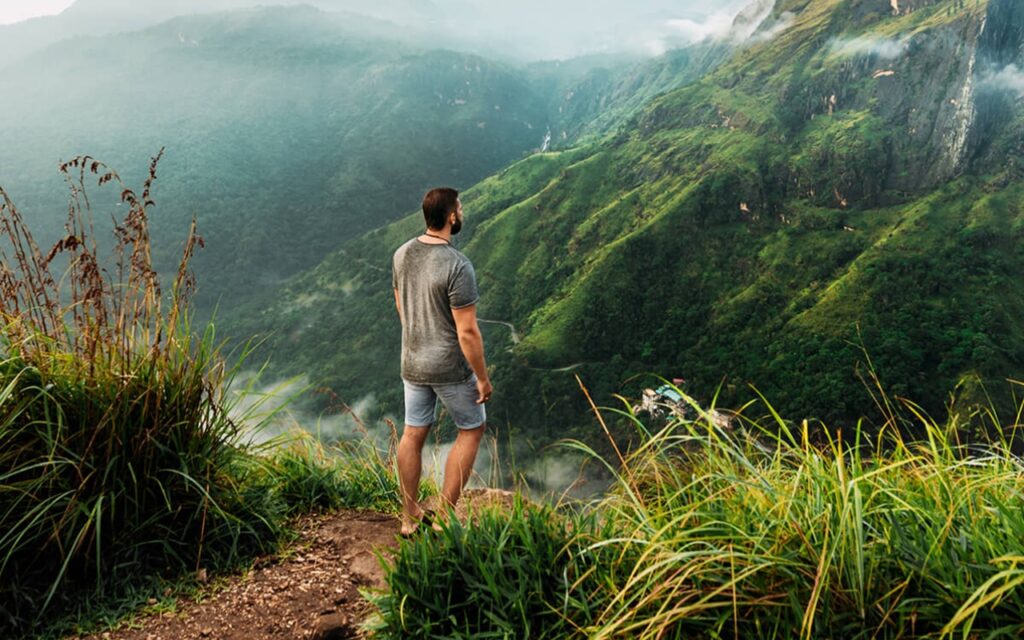
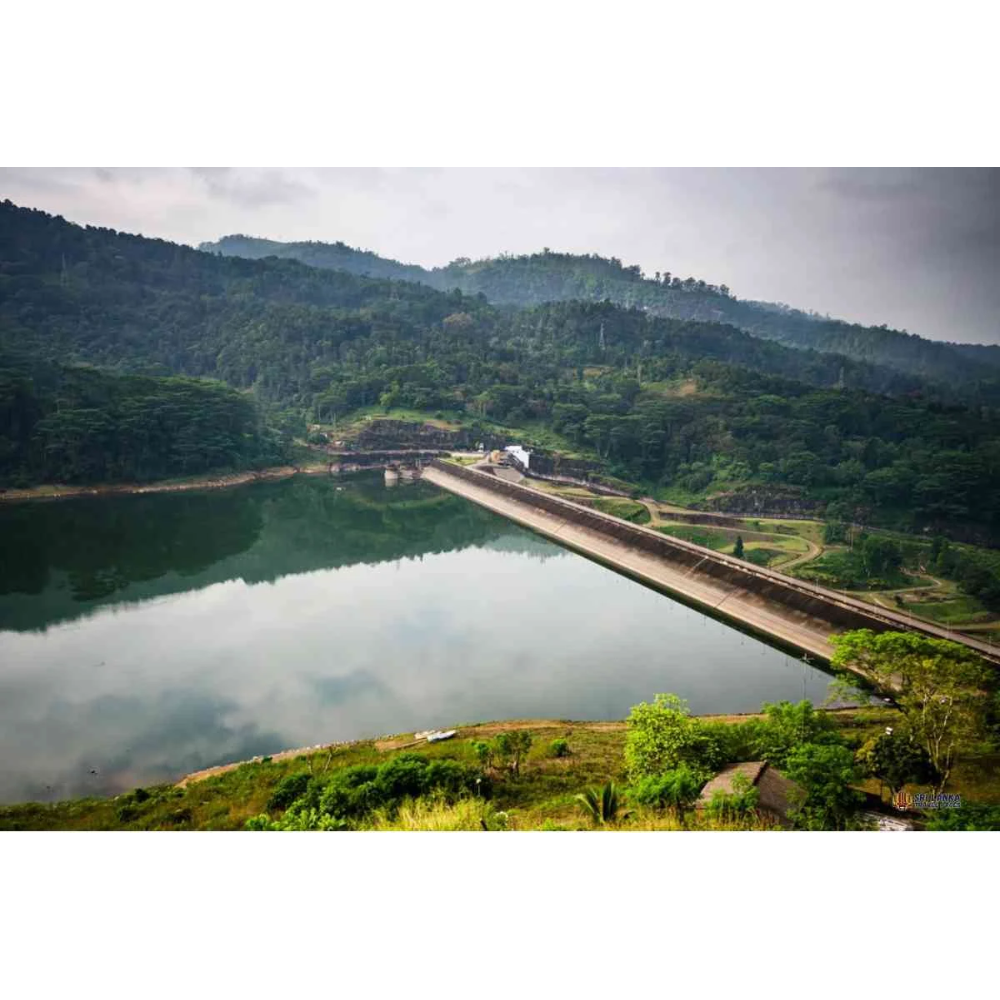
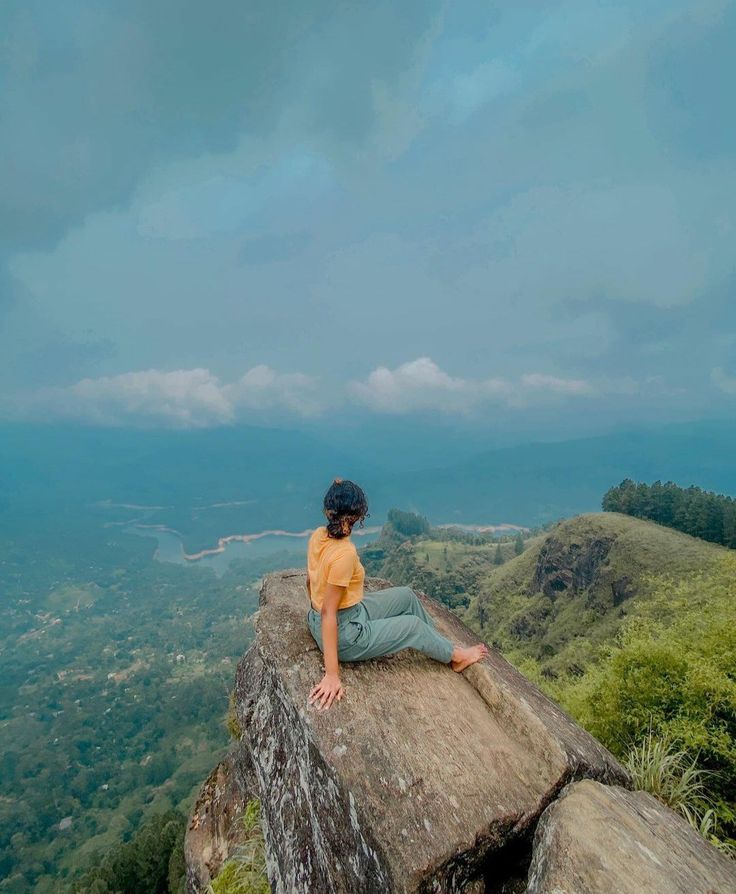
The trail passes through rolling hills, forests, farmlands, and reservoir viewpoints, offering breathtaking scenery at every turn. One of the most striking features of the Kothmale Trail is its connection to water—streams, waterfalls, and the expansive Kothmale Reservoir create serene backdrops for the journey. The cool climate and fresh mountain air make hiking here both refreshing and peaceful.
Culturally, Kothmale holds great significance. The area is known for its role in Sri Lanka’s history and for the resilience of communities affected by the construction of the Kothmale Dam. Walking through villages along the trail allows travelers to witness everyday life, traditional farming practices, and warm hospitality from locals who are often eager to share stories and smiles.
Nature lovers will appreciate the diverse ecosystems along the trail, including forest patches rich in birdlife and native plant species. The trail is suitable for moderate hikers and can be completed in sections, making it accessible to a wide range of travelers. Guided hikes are recommended to enhance safety and provide deeper insight into the area’s history and environment.
The Kothmale Trail is ideal for travelers who enjoy slow, mindful exploration rather than crowded tourist attractions. It offers a chance to disconnect from busy schedules and reconnect with nature and culture in a meaningful way.
For those looking to explore Sri Lanka beyond popular destinations, the Kothmale Trail delivers tranquility, authenticity, and unforgettable landscapes—making it a hidden gem in the country’s hill country adventures.
Let’s Seek Pearl Island Essence Together with Ceylo Tours!

2025 © Copyright Ceylo Tours